Why MNOs Hate Wi-Fi
And what the Helium Network is doing about it
After 20+ years of Wi-Fi offload trials, we are still waiting for the rise of a global, successful, and scalable platform for mobile carriers, also known as Mobile Network Operators (MNOs), to use carrier Wi-Fi. Many platforms have made promises, but none have succeeded in their quest for market leadership.

As many Helium followers will know, Nova Labs have been venturing into the world of Carrier Offload. In doing so, we are learning what carriers need through our discussions with potential offload carrier partners and in the working groups of the Wireless Broadband Alliance (WBA), where Nova Labs is an active member.
Carrier Offload enables cellular service providers to enhance their subscriber connectivity by using partner networks when appropriate. This approach allows carriers to optimize their network resources and improve the overall user experience while maintaining a high quality of service.
Visibility Leads to Comfort

The carriers we’ve spoken with operate well-engineered and highly capable networks, so they want to ensure that, if they do offload a subscriber connection, they are moving that subscriber to a network that will improve the user’s experience. Past carrier offload networks did not provide MNOs with any visibility into the quality of the Wi-Fi network. This left MNOs guessing, or hoping, that when they offloaded a subscriber connection to Wi-Fi, the quality would improve.
But that is going to change. Nova Labs is developing a health metrics engine in our APs that will give carrier offload partners a real-time view of the Wi-Fi network’s health at the time of offload. This blog will be a two-part series. The first part covers the backhaul metrics reported by Helium radios. The second part will go in-depth into the radio interface metrics being implemented. Together, the backhaul and radio interface metrics will provide unprecedented visibility to offload partners about the network they are offloading into.
Backhaul Metrics: The Foundation of a Good User Experience

The Helium offload network’s Wi-Fi APs connect to the internet via a backhaul connection. These backhaul connections are provided by a community of radio hosts. Helium Hotspots periodically measure the quality of the backhaul connection to ensure hosts provide a connection capable of delivering a quality user experience. Helium blockchain sets quality thresholds that affect the rewards earned by radio hosts, incentivizing the use of high-quality backhaul connections.
The backhaul metrics collected include the following:
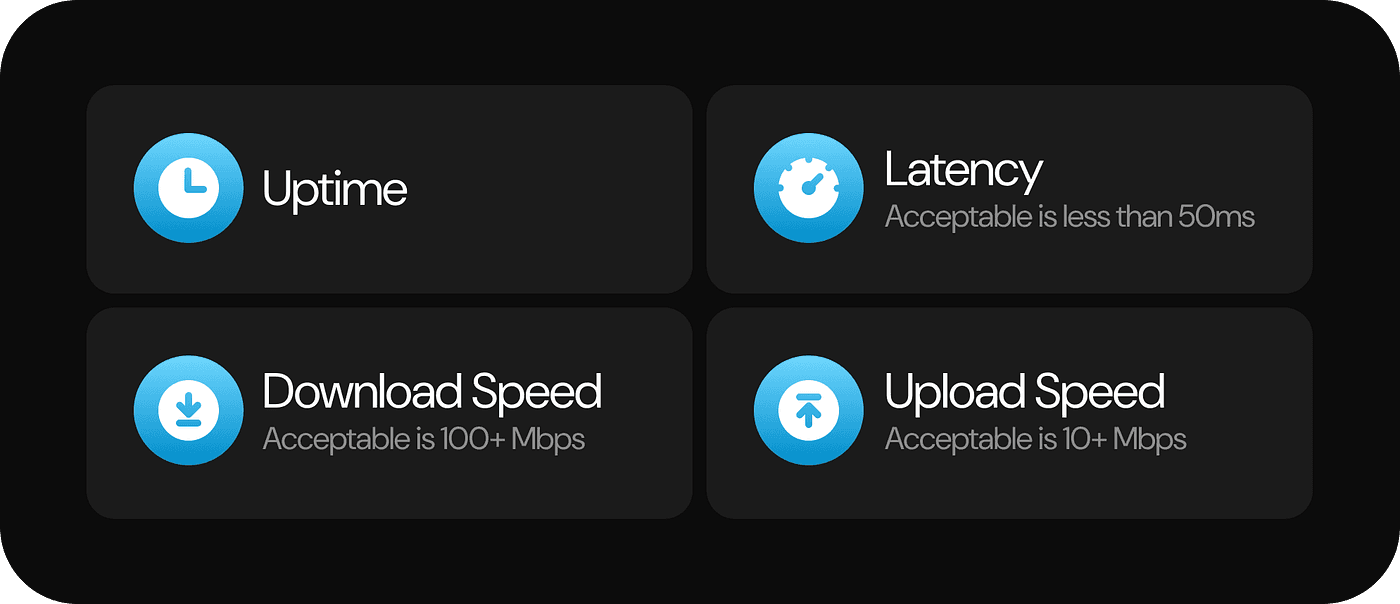
All of these metrics are collected and presented on a publicly accessible dashboard and can also be shared with offload partners in real time. Here is a snapshot of the current health of the fleet:
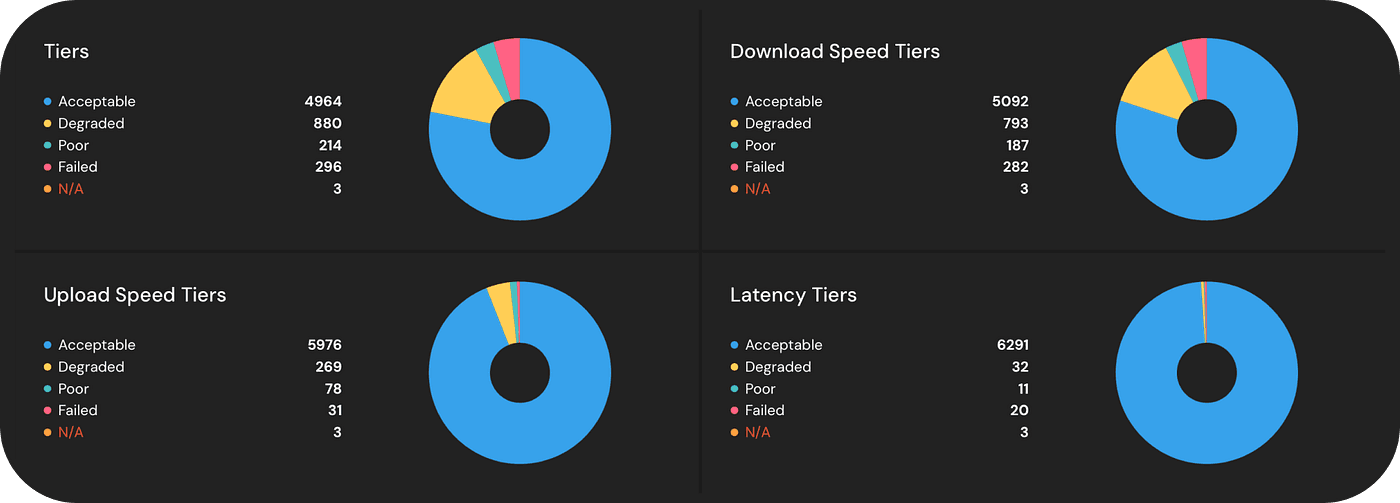
As shown, about 90% of the community deployed Hotspots are measuring “Acceptable” for backhaul speeds and latency.
With real-time backhaul metrics during offload decisions, Helium Network partners can make informed decisions about whether or not to offload a customer connection, eliminating guesswork.
Stay tuned for the second installment of this blog series, where we will detail the metrics available on the air interface.
If you are interested in exploring the best carrier offload in the industry, send us an email at business@nova-labs.com.
By Joey Padden, VP of Network Architecture at Nova Labs